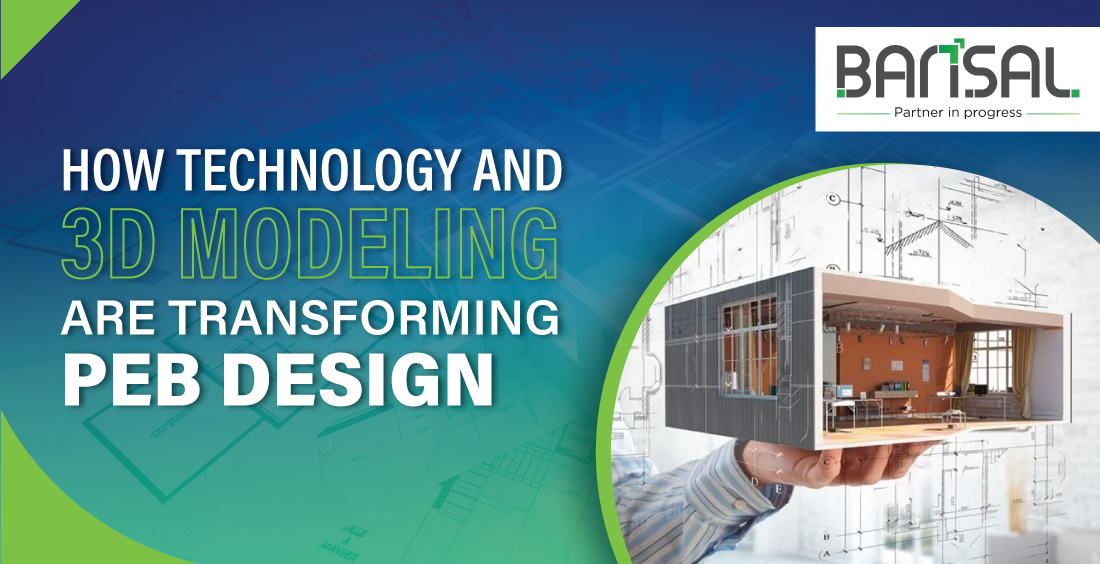
How Technology and 3D Modeling Are Transforming PEB Design
Posted on: Nov 26, 2025
The Evolution of PEB Design, The construction industry is changing fast. One of the biggest innovations in recent years is the rise of Pre-Engineered Metal Buildings (PEB). These steel structures are strong, quick to build, and more affordable than traditional construction methods.
What makes PEB design so special today is the use of technology and 3D modeling. With digital tools, engineers can now design, test, and build entire buildings with more accuracy and speed than ever before.
A great example of this progress is Bansal Poles Limited - a company with over 40 years of experience in manufacturing high-quality PEB structures in India. Let's explore how technology and 3D design are changing the way PEBs are built and why Bansal Poles stands out as a trusted name in this field.
Let us understand what PEB Design is
PEB Design means creating steel buildings that are pre-engineered and pre-fabricated in factories before being assembled on-site. Every part of the building, like frames, beams, trusses, and roof panels, is made in a controlled environment using advanced technology.Once ready, these parts are transported to the construction site and quickly assembled with minimal labor. This makes PEBs much faster to build compared to traditional brick-and-cement structures.
Bansal Poles Limited follows both Indian and international standards such as IS, AISC, and MBMA, ensuring every structure is safe, durable, and long-lasting.
How Technology is Changing PEB Design
Modern technology has significantly changed the way PEBs are designed and built. Here's how:1. Computer-Aided Design (CAD) and Building Information Modeling (BIM)
With CAD and BIM software, engineers can create accurate 3D digital models of buildings before construction starts. These models help visualize the entire structure including every bolt and joint and allow teams to detect and fix design issues early.This ensures there are no surprises during construction, saving both time and cost.
2. Automation in Fabrication
Once the design is approved, the factory uses automated machines to cut, bend, and weld steel with perfect precision. This automation reduces human error and ensures that every part of the structure fits perfectly on-site.Bansal Poles Limited has fully in-house facilities for fabrication, testing, galvanizing, painting, and installation, ensuring consistent quality from start to finish.
3. Simulation and Testing
Before manufacturing starts, engineers use software to test how the structure will perform under different conditions such as heavy winds, rainfall, or earthquakes.This helps ensure that every building meets high safety standards and performs well even in extreme conditions.
The Role of 3D Modeling in PEB Design
3D modeling has made PEB design smarter and more efficient. It helps both engineers and clients visualize the final structure in detail, making decision-making easier.1. Better Visualization
3D models allow clients to see how their building will look before construction even begins. If any design changes are needed, they can be made easily at this stage.This flexibility is one of the biggest advantages of using 3D modeling in PEB design.
2. Faster and Error-Free Execution
With every detail pre-designed digitally, the factory can start producing parts quickly. The on-site assembly also becomes faster because all components fit perfectly. This reduces delays and ensures projects finish on time.3. Improved Collaboration
3D modeling helps architects, engineers, and site workers stay on the same page. Since everyone works from one digital design, communication becomes smooth and there is less chance of mistakes or rework.Why Choose Bansal Poles Limited for PEB Design
With more than four decades of experience, Bansal Poles Limited has built a strong reputation for delivering durable and customizable PEB structures. Their buildings are known for quality, safety, and performance.Here's what makes them stand out:
⦿ 40+ years of expertise in steel and PEB manufacturing.
⦿ Seven-tank galvanizing process for superior corrosion resistance.
⦿ High-volume steel production capacity (over 3,00,000 MT annually).
⦿ End-to-end production under one roof from design to delivery.
⦿ Team of skilled engineers and technicians ensuring top-notch quality control.
Main Components of Bansal Poles PEB Systems
Each PEB from Bansal Poles is built with precision-engineered parts designed to handle heavy loads and harsh conditions.1. Primary Members
These are the main load-bearing elements such as frames, trusses, crane beams, and rafters. They provide structural strength and stability.2. Secondary Members
These include purlins, girts, eave struts, flange bracing, and wind bracing. They give additional support to the roof and walls, enhancing the building's strength.3. Roofing and Cladding
The roofing systems use hot-dip galvanized steel sheets with high yield strength. These sheets resist corrosion and last for years, even in extreme weather.4. Accessories
Bansal Poles also provides essential accessories such as ridge ventilators, turbo vents, insulation panels, aluminum windows, sliding doors, and louvers. These features improve airflow, insulation, and comfort inside the building.Benefits of PEB Design: The Bansal Poles Advantage
PEB structures offer several benefits compared to traditional construction. Here are the top ones:1. Fast Construction
Because all parts are made in the factory, the building can be assembled quickly on-site. This reduces project timelines by up to 50%.2. Cost-Effective
Factory manufacturing reduces labor costs, material waste, and errors. It's a smart choice for businesses looking to save both time and money.3. Customizable Design
Every PEB structure is designed based on the customer's specific needs from size and shape to color and finish.Bansal Poles offers complete design flexibility, making each building unique.
4. Strong and Durable
These structures are made from high-quality steel that can withstand harsh weather, heavy loads, and even earthquakes. The seven-tank galvanizing process adds extra protection from rust and corrosion.5. Eco-Friendly
PEB materials are recyclable, and the construction process creates very little waste. This makes it a sustainable choice for modern infrastructure.6. Low Maintenance
Unlike traditional buildings, steel structures require very little maintenance over the years, which saves long-term costs.The Future of PEB Design
Technology in construction is evolving every day. The future of PEB design will include even more innovations such as:⦿ Smart sensors that monitor building performance.
⦿ AI-based simulations to predict maintenance needs.
⦿ Sustainable materials that reduce carbon footprint.
Companies like Bansal Poles Limited are already moving toward these smart solutions, ensuring that their PEB systems remain at the forefront of innovation.
In a Nutshell
Technology and 3D modeling have completely transformed how we design and build PEB structures. Today, these systems are faster, stronger, and more efficient than ever before.With advanced digital tools, engineers can plan every detail of a building before construction starts, ensuring perfect results on-site.
If you are looking for a reliable and experienced PEB manufacturer in India, Bansal Poles Limited is a name you can trust. Their technology-driven approach, strong design expertise, and commitment to quality make them a leader in Pre-Engineered Metal Buildings helping businesses build smarter, safer, and faster.
Frequently Asked Questions
3D modeling gives engineers a complete visual map of the building before fabrication starts. It helps catch design errors early, improves accuracy, speeds up approvals, and ensures smooth coordination during installation.
3D modeling gives engineers a complete visual map of the building before fabrication starts. It helps catch design errors early, improves accuracy, speeds up approvals, and ensures smooth coordination during installation.
PEB buildings are faster to build, cost-effective, customizable, and durable. They are now widely used for warehouses, factories, cold storage, and commercial buildings because they save time and reduce project expenses.
Yes. PEB buildings are highly durable and are designed to withstand heavy loads, wind forces, and even earthquakes. With proper galvanizing and quality materials, they can last for decades with minimal maintenance.
Yes. 3D modeling allows engineers to detect design conflicts, load issues, alignment errors, and other structural problems at an early stage. This reduces on-site issues and speeds up construction.
Recent Posts
-
 Understanding Water Tank Capacity and How to Choose the Right Size
-
 Best Water Tank in India: Comparing Leading Brands for Value and Performance
-
How Technology and 3D Modeling Are Transforming PEB Design
-
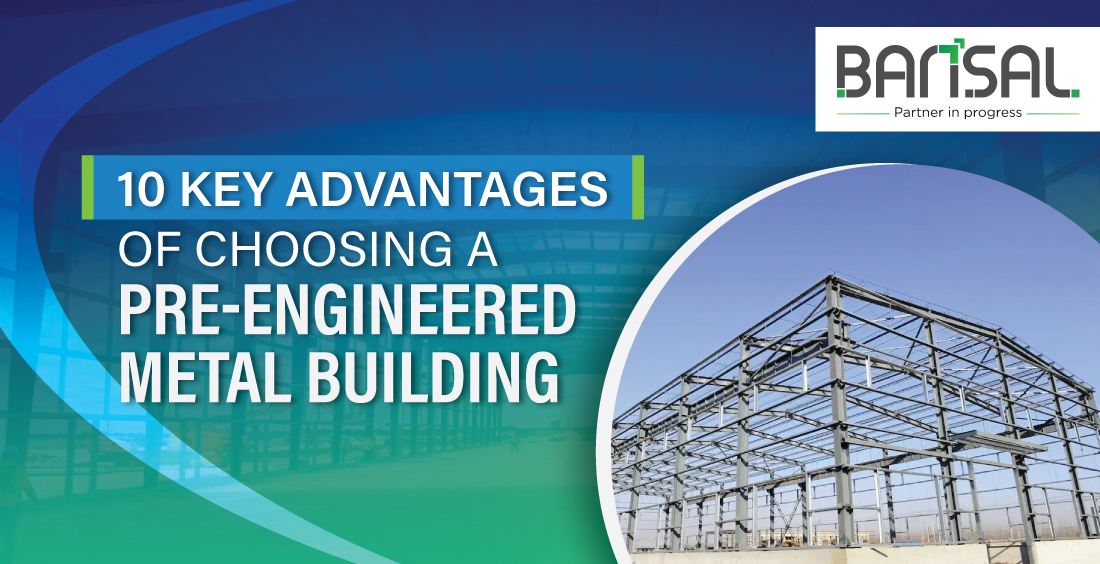 10 Key Advantages of Choosing a Pre-Engineered Metal Building
-
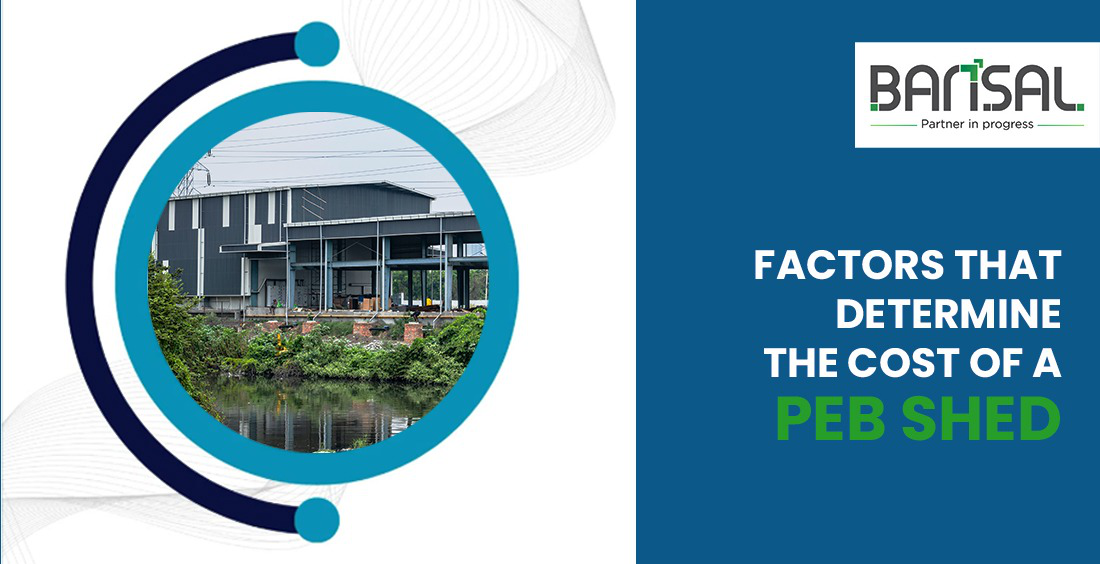 Factors That Determine the Cost of a PEB Shed
-
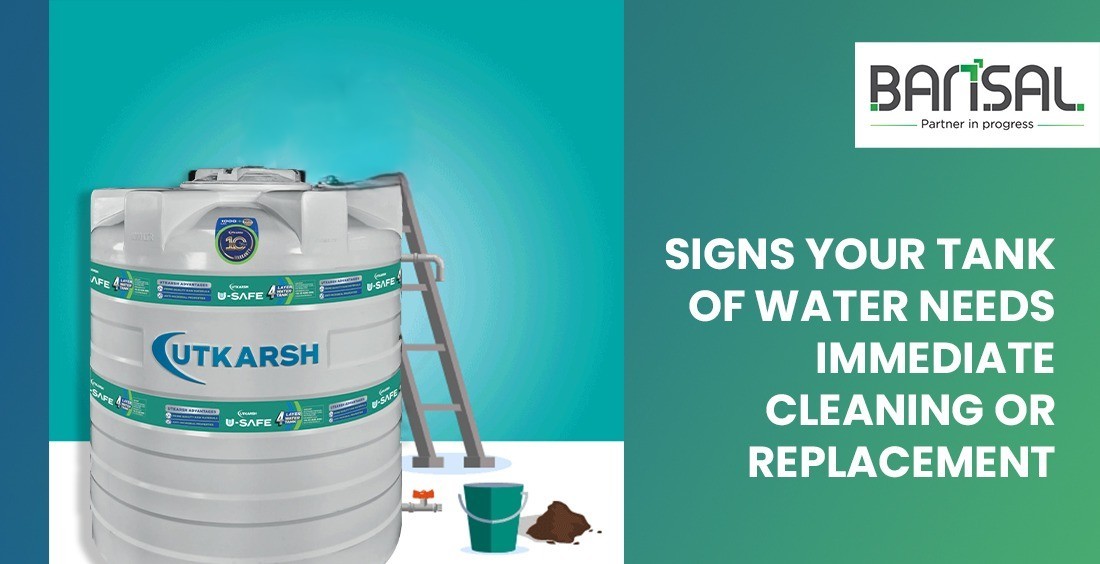 Signs Your Tank of Water Needs Immediate Cleaning or Replacement
-
 Tips to Prevent Algae and Bacterial Growth in Your Home Water Tank
-
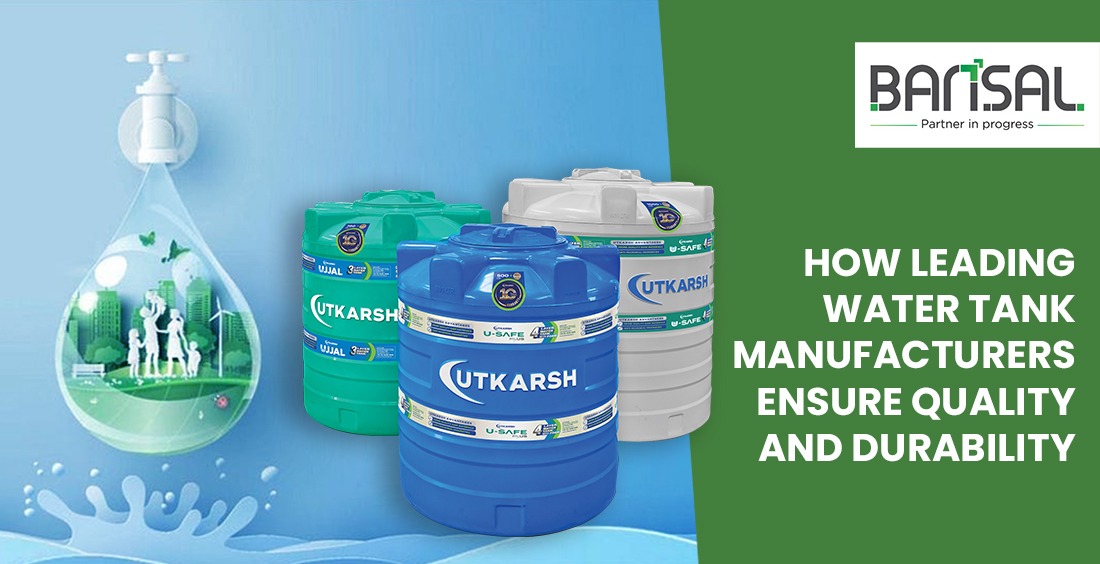 How Leading Water Tank Manufacturers Ensure Quality and Durability
-
 How a PEB Company is Revolutionizing Industrial Warehousing in India
-
 Components of a Pre-Engineered Building – Explained in Detail
-
 Water Tank Price Guide – Factors That Affect Cost
-
 The Importance of Food-Grade Materials in Drinking Water Tanks
-
 Types of PEB Structures and Their Applications
-
 Common Water Tank Problems and How to Fix Them
-
 PEB Shed vs Traditional Shed: Why Pre-Engineered Metal Buildings Are the Smarter Choice
Comments (0)
Post Your Comment